

Week 1: Frame the bet
We align on the smallest version of the product that can validate your core hypothesis, and cut everything else.
Idea to MVP in weeks, built to last.
Idea to MVP in weeks, built to last.
The fastest way to learn whether your idea works is to put a real product in front of real users. The slowest way is to build it the “right” way from day one. We've found a third path: pair AI coding agents with senior engineers who know what to throw away, what to keep, and where shortcuts will hurt you later.
AI coding agents are extraordinary at the boilerplate: scaffolding, CRUD, glue code, the ninety percent of any codebase that's been written a thousand times before. Senior engineers are extraordinary at the other ten percent: the data model, the architecture, the integration points, the calls the agent shouldn't be making on its own. Pairing the two is what lets us move at prototype speed without leaving prototype-quality code behind.
The cheap version of this is vibe-coded throwaway code that becomes the foundation of your company by accident. The expensive version is a six-month engagement that ships something you could've validated in a fraction of the time. We sit in the middle: fast enough to be useful for validation, principled enough that the code earns its place if you decide to keep building.
A recent engagement went from kickoff to a deployed platform in twenty days, with AI semantic matching, background jobs, and a polished UI. Pairing coding agents like Claude Code with frameworks like Rails 8 is part of how we move that fast. The framework gives the agent strong conventions to lean on, and the agent compounds the productivity gains the framework was already designed to deliver.
The bigger factor is where senior engineers spend their time: on architecture, the data model, and the calls the agent shouldn't be making, not on writing every line. That's the difference between a prototype that ships in weeks and a prototype that ships in months, and it's also the difference between code you can keep and code you have to throw away.
Most “rapid” prototypes fail one of two ways. The cheap version is vibe-coded throwaway that quietly becomes the foundation of your company, until the day it stops scaling and you can't tell why. The expensive version is a six-month build that ships something you could have validated in eight weeks. We sit between them on purpose: fast enough to be useful for validation, principled enough that the code earns its place if you decide to keep building.
We align on the smallest version of the product that can validate your core hypothesis, and cut everything else.
Daily demos, working software each week. AI agents handle the boilerplate; senior engineers make the architecture calls and write the parts that matter.
A real MVP in front of real users, instrumented so you can tell what's working, and structured so you can keep building on it.

WyeWorks helped a healthcare founder transform an idea into a working platform for doctors and patients, building the product from scratch as their technology partner.

WyeWorks made Prisma Live a reality, building their learning platform from scratch with deep collaboration on product and design.
Ready to validate your idea fast, on a foundation that holds up if you decide to keep building?
The fastest way to learn whether your idea works is to put a real product in front of real users. The slowest way is to build it the “right” way from day one. We've found a third path: pair AI coding agents with senior engineers who know what to throw away, what to keep, and where shortcuts will hurt you later.
AI coding agents are extraordinary at the boilerplate: scaffolding, CRUD, glue code, the ninety percent of any codebase that's been written a thousand times before. Senior engineers are extraordinary at the other ten percent: the data model, the architecture, the integration points, the calls the agent shouldn't be making on its own. Pairing the two is what lets us move at prototype speed without leaving prototype-quality code behind.
The cheap version of this is vibe-coded throwaway code that becomes the foundation of your company by accident. The expensive version is a six-month engagement that ships something you could've validated in a fraction of the time. We sit in the middle: fast enough to be useful for validation, principled enough that the code earns its place if you decide to keep building.
A recent engagement went from kickoff to a deployed platform in twenty days, with AI semantic matching, background jobs, and a polished UI. Pairing coding agents like Claude Code with frameworks like Rails 8 is part of how we move that fast. The framework gives the agent strong conventions to lean on, and the agent compounds the productivity gains the framework was already designed to deliver.
The bigger factor is where senior engineers spend their time: on architecture, the data model, and the calls the agent shouldn't be making, not on writing every line. That's the difference between a prototype that ships in weeks and a prototype that ships in months, and it's also the difference between code you can keep and code you have to throw away.
Most “rapid” prototypes fail one of two ways. The cheap version is vibe-coded throwaway that quietly becomes the foundation of your company, until the day it stops scaling and you can't tell why. The expensive version is a six-month build that ships something you could have validated in eight weeks. We sit between them on purpose: fast enough to be useful for validation, principled enough that the code earns its place if you decide to keep building.
We align on the smallest version of the product that can validate your core hypothesis, and cut everything else.
Daily demos, working software each week. AI agents handle the boilerplate; senior engineers make the architecture calls and write the parts that matter.
A real MVP in front of real users, instrumented so you can tell what's working, and structured so you can keep building on it.
WyeWorks helped a healthcare founder transform an idea into a working platform for doctors and patients, building the product from scratch as their technology partner.

Treating the workflow as the product: how decomposition, validation, and feedback loops made AI-assisted website implementation reliable.
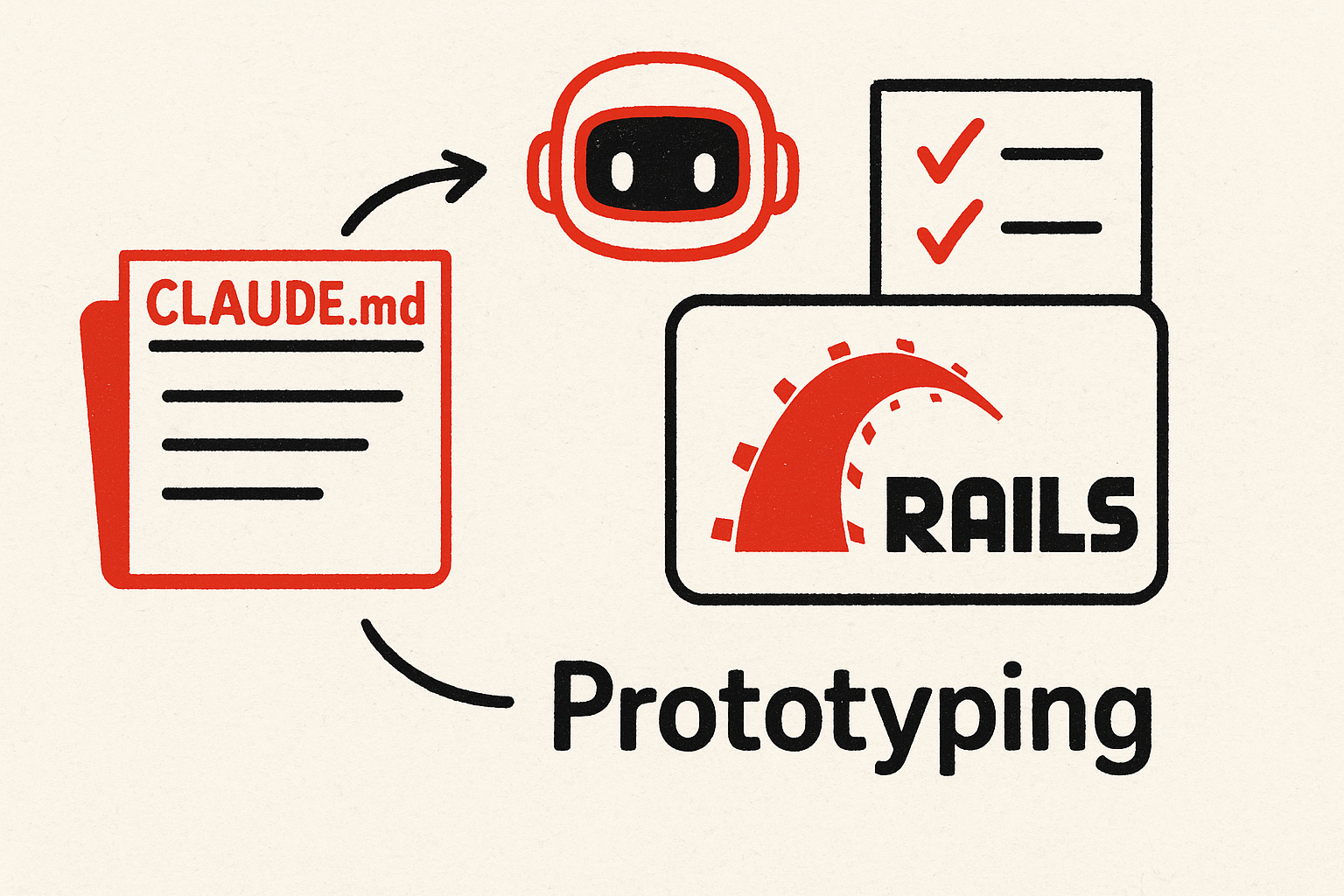
Practical tips to keep prototypes under control without sacrificing speed, while leveraging AI assistance to its fullest.
Ready to validate your idea fast, on a foundation that holds up if you decide to keep building?

